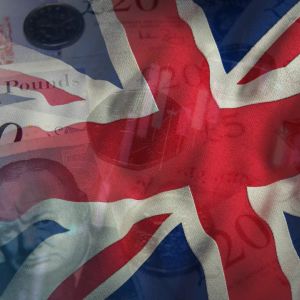
UK consumers reined in their spending for the first time since 2020, amid growing concerns about rising living costs. According to Barclays data debit and credit card spending fell, even as households still found ways to treat themselves to small indulgences and memorable moments. That is the first year-over-year decline since 2020 — a period in which spending fell 7.1% as the pandemic shut down businesses and prevented far-flung families from gathering for traditional celebrations. Economists said the dip was a sign that households were beginning to feel pressure from inflation, stagnant wage growth, and broader economic uncertainty. Official figures released last week reinforced the picture. Disposable incomes adjusted for inflation fell 0.8% in the third quarter, marking the longest stretch without any income growth since late 2014. Weak spending and high savings rates are a “ball and chain” for the British economy , which is highly dependent on some recovery in consumer demand to achieve even modest growth forecasts, analysts at Barclays said. Rising prices push households to cut spending Rising prices in key sectors are putting pressure on households across the UK. Grocery prices fell 1.7% over the past year, while the cost of broader essentials dropped 2.3%. For households that stick to what they can genuinely afford, rather than splurging on luxury items like designer goods, discretionary spending — including clothing, electronics, entertainment, and recreation — rose by just 0.8%. In contrast, spending on non-discretionary items such as housing, transportation, and bills remained the dominant part of household budgets. However, economists warned that the ongoing caution of households could dampen the UK’s short-term growth outlook. The OBR has already pencilled in a little growth; doing more to rebuild consumer confidence is key to achieving this. Such weak consumer sentiment, held back by an increased cost of living and stagnant growth in take-home pay, as well as concerns about the economy’s outlook, could still act as a drag on private consumption in the future, analysts said. Given that households account for a vast proportion of aggregate demand, their reluctance to consume might be Britain’s Achilles’ heel in the near term. Consumers splurge on experiences and small indulgences Although overall spending was down, consumers are still treating themselves to smaller luxuries that offer instant gratification, according to Barclays. Spending on health, beauty, and pharmacy products was the standout, increasing 9.5% over the year. This is consistent with the so-called “lipstick effect,” where individuals increase consumption of low-cost luxuries instead of other products to maintain a high mental health status during financial pressure. Entertainment and experiences were also relatively robust. Big music tours from artists like Oasis, Coldplay, and Sabrina Carpenter drew robust spending, revealing that consumers are willing to splurge on experiences even as they pull back elsewhere. Barclays said these tendencies reflect a more discerning approach to consumption. Consumers are opting for experiences over big-ticket purchases — small indulgences instead of extravagant ones — mirroring not only squeezed household budgets but also a craving for emotional fulfillment. While those spending habits provide some relief to businesses within the leisure and beauty sectors, they are unlikely to compensate for broader declines in household consumption, analysts said. The data gives a mixed picture for the UK economy. Although households continue to pay for experiences and small pleasures, the overall spending pullback reflects the headwinds confronting the economy, as inflation lingers and income growth remains flat. The smartest crypto minds already read our newsletter. Want in? Join them .